
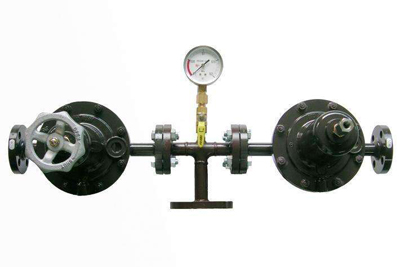
Vapor chemical reaction of plant liquid:
The high-efficiency spray tower is used to efficiently remove the paint residue and paint mist in the sprayed exhaust gas. The washing with the vegetable liquid can reduce the viscosity of the paint residue and the paint mist, and improve the removal efficiency of the spray washing tower on the paint residue and the paint mist. The use of a highly activated biological waste gas purification tower ensures that the exhaust gas target reaches the standard discharge, removes the odor in the exhaust gas, and reduces the influence of the exhaust gas on the surrounding environment. Effectively remove organic waste gases such as benzenes, esters, ketones, non-methane total hydrocarbons, and VOC. Low cost, no safety hazards, no secondary pollution.
How to deal with paint exhaust?
Water spray method:
Spray paint waste water treatment technology is widely used in air pollution control. It has been applied in the spraying process. For example, the water curtain cabinet is based on the principle of water spray on exhaust gas discharge, water-soluble or large particle sedimentation to achieve pollutants and cleanliness. The purpose of gas separation. The utility model has the advantages of simple water resources, and can be repeatedly used after the precipitation and filtration at the same time to reduce the waste of water resources. The water spray is a very high efficiency in processing the composition of large particles, and is usually used for pretreatment of exhaust gas treatment.
Condensation method:
After the paint exhaust gas treatment is directly condensed or adsorbed and concentrated, the condensate is recovered by separating and valuable organic matter. This method is used for high concentration, low temperature, and small air volume for exhaust gas treatment. However, the investment is large, the energy consumption is high, and the running cost is high. Generally, this method is not used to purify the paint exhaust gas.
Plasma reaction method:
The exhaust gas molecules are decomposed by a plasma containing a high-energy reactive group to generate carbon dioxide and water, thereby purifying the exhaust gas. However, this method is not suitable for use in the treatment of flammable and explosive paint organic waste gas, and has potential safety hazards, and the later maintenance of the equipment is complicated.
Direct combustion method:
Use oil or natural gas as an auxiliary fuel to burn the heated mixture to a certain temperature (700 ° C - 800 ° C), time to stop some of the harmful gases generated by the combustion of the fuel. The method has simple process and low equipment investment, but high energy consumption and high running cost.
Catalytic combustion method:
Under the action of the catalyst, the hydrocarbon in the organic waste gas is rapidly oxidized into water and carbon dioxide under the condition of low temperature to achieve the purpose of treatment. However, it is used for low-concentration exhaust gas with high air volume, and the cost is high and the running cost is large.
Activated carbon adsorption:
The organic gas is directly adsorbed by activated carbon, the equipment is simple, the investment is small, and the operation is convenient, but the activated carbon needs to be replaced frequently. The wind resistance of the equipment is large, and the wind pressure of the fan is high and the power consumption is large. It is troublesome to replace the activated carbon after use and subsequent processing. After saturation, it is difficult to extract air in the spray booth, which affects product quality.